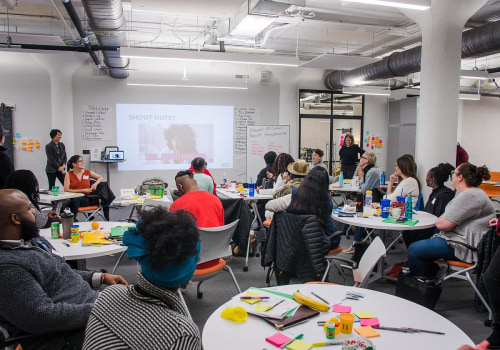
In an ever-evolving educational landscape, the role of an education consultant has become increasingly significant. Educational consulting encompasses a wide range of services aimed at enhancing the learning experience for students, educators, and institutions alike. These professionals leverage their expertise to provide tailored advice and strategies that address specific challenges within the educational system. Whether it’s guiding families in selecting the right school for their children or assisting schools in implementing innovative teaching methods, educational consultants play a crucial role in shaping educational outcomes.The importance of educational consulting cannot be overstated, especially as parents and students navigate a complex array of choices in today’s academic environment.
With options ranging from traditional public schools to specialized charter schools and online learning platforms, making informed decisions can be daunting. An education consultant serves as a knowledgeable ally, helping families understand their options and identify the best fit for their unique needs. This personalized approach not only alleviates stress but also empowers families to make choices that align with their educational goals.Moreover, educational consultants are instrumental in fostering collaboration between educators and administrators. They analyze existing programs, identify areas for improvement, and recommend evidence-based practices that enhance student learning.
By bridging the gap between theory and practice, these consultants ensure that schools are equipped with the tools necessary to meet the diverse needs of their student populations. The benefits of engaging an education consultant extend beyond immediate solutions; they contribute to long-term strategic planning that can transform educational institutions.As we delve deeper into the world of educational consulting, it becomes clear that these professionals are not just advisors but catalysts for change. Their insights and recommendations can lead to improved academic performance, increased student engagement, and a more inclusive learning environment. Understanding what educational consulting entails and how it can benefit various stakeholders is essential for anyone looking to enhance their educational journey.
What is an Education Consultant?
An education consultant is a professional who provides expert advice and guidance in the field of education.Their primary role is to assist individuals, schools, and educational organizations in navigating the complexities of educational systems, policies, and practices. Education consultants leverage their extensive knowledge and experience to help clients make informed decisions that enhance learning outcomes and improve educational processes.The responsibilities of an education consultant can vary widely depending on their area of expertise. Generally, they may:
- Assess the educational needs of students or institutions.
- Develop tailored strategies to address specific challenges.
- Provide training and support for educators and administrators.
- Advise on curriculum development and implementation.
- Assist with school improvement plans and accreditation processes.
- Guide families in selecting appropriate educational options for their children.
- Academic Consultants: These professionals focus on improving student performance through tailored academic strategies, tutoring programs, and personalized learning plans.
- Admissions Consultants: Often working with high school students, these consultants help families navigate the college admissions process, including test preparation, essay writing, and interview coaching.
- Curriculum Consultants: Specializing in curriculum design and implementation, these consultants work with schools to develop effective teaching materials and methods that align with educational standards.
- Special Education Consultants: These experts provide guidance on best practices for supporting students with disabilities, ensuring compliance with legal requirements, and developing individualized education plans (IEPs).
- Technology Consultants: With the increasing integration of technology in education, these consultants advise schools on implementing digital tools and resources to enhance teaching and learning experiences.
The Importance of Educational Consulting
In today’s rapidly evolving educational landscape, the role of educational consulting has become increasingly vital for both families and educational institutions.The importance of hiring an education consultant cannot be overstated, as they bring a wealth of knowledge and expertise that can significantly enhance the educational experience.For families, the decision-making process regarding education can be overwhelming. With numerous options available—from public schools to private institutions and specialized programs—parents often find themselves at a crossroads. An education consultant serves as a trusted advisor, helping families navigate these choices by:
- Assessing Individual Needs: Consultants evaluate the unique needs of each student, considering their strengths, weaknesses, and learning styles. This personalized approach ensures that families make informed decisions that align with their child’s educational goals.
- Providing Expert Guidance: With extensive knowledge of various educational systems and programs, consultants can recommend the best-fit schools or programs tailored to a student’s aspirations.
- Facilitating Access to Resources: Education consultants are well-versed in financial aid options, scholarships, and grants.
They guide families on how to leverage these resources effectively to minimize costs while maximizing educational opportunities.
- Identifying Areas for Improvement: Consultants conduct thorough assessments of current practices and policies, pinpointing areas that require enhancement. This objective perspective can reveal issues that may not be apparent to internal staff.
- Implementing Best Practices: By introducing innovative strategies and proven methodologies, education consultants help schools adopt best practices that improve student outcomes and teacher effectiveness.
- Professional Development: Consultants often provide training sessions for educators, equipping them with new skills and techniques that foster a more engaging learning environment.
Ultimately, this collaboration fosters a more effective educational ecosystem where students can thrive.
How Educational Consultants Can Help Families
In today’s complex educational landscape, families often find themselves overwhelmed by the multitude of choices available for their children. This is where an education consultant can play a pivotal role, guiding families through the intricate process of selecting the right educational path. From elementary school to college, educational consultants offer tailored support that addresses the unique needs of each family.Understanding Educational Options
One of the primary ways educational consultants assist families is by providing a comprehensive overview of the various educational options available. This includes:
- Public and private schools
- Charter schools
- Homeschooling programs
- Specialized institutions for gifted or learning-disabled students
- Online education platforms
College Admissions Consulting
As students approach high school graduation, the pressure to secure a spot in a reputable college can be daunting.
Educational consultants specializing in college admissions consulting provide invaluable assistance during this critical time. They offer services such as:
- Guidance on selecting appropriate colleges based on academic and personal goals
- Assistance with college application processes, including deadlines and requirements
- Support in preparing for standardized tests like the SAT or ACT
- Advice on crafting compelling personal statements and essays that highlight a student’s unique qualities
- Strategies for securing financial aid and scholarships
Creating Personalized Education Plans
An education consultant can also help families develop personalized education plans, which are tailored to meet the specific needs of each child. These plans may include:
- Individualized learning strategies that cater to a child’s learning style
- Recommendations for extracurricular activities that align with a child’s interests and career aspirations
- Support in setting academic goals and tracking progress over time
- Coordination with teachers and school administrators to ensure that the child receives necessary resources and support
The Role of Educational Consultants in Schools and Institutions
Educational consultants play a pivotal role in enhancing the educational landscape within schools and institutions.Their expertise is not only beneficial for students but also crucial for educators and administrators striving to improve school programs and teaching methodologies.
Identifying Areas for Improvement
One of the primary responsibilities of an education consultant is to conduct thorough assessments of existing educational programs. This involves:
- Evaluating curriculum effectiveness
- Analyzing student performance data
- Gathering feedback from teachers, students, and parents
Implementing Innovative Strategies
Once areas for improvement are identified, educational consultants work collaboratively with school staff to implement innovative strategies. These may include:
- Integrating technology into the classroom to enhance learning experiences
- Developing new teaching methods that cater to diverse learning styles
- Creating engaging professional development workshops for educators
Training Educators for Success
A significant aspect of an education consultant's role is training educators.
This training can take various forms, including:
- Workshops focused on classroom management techniques
- Seminars on the latest educational research and best practices
- One-on-one coaching sessions tailored to individual teacher needs
Fostering a Collaborative Culture
Educational consultants also help foster a culture of collaboration within schools. By encouraging open communication among staff, they promote teamwork and shared responsibility for student success. This collaborative approach can lead to:
- Enhanced problem-solving capabilities
- A more supportive work environment for teachers
- Improved student engagement and achievement
Specializations Within Educational Consulting
Educational consulting encompasses a wide range of specializations, each tailored to meet specific needs within the educational landscape.Understanding these specializations can help individuals and organizations find the right consultant for their unique challenges.
Special Education Consulting
One of the most critical areas of educational consulting is special education. Consultants in this field focus on helping schools and families navigate the complexities of special education laws, individualized education programs (IEPs), and tailored teaching strategies. They work closely with educators to develop effective interventions that support students with disabilities, ensuring compliance with federal and state regulations while promoting inclusive practices.College Admissions Consulting
College admissions consultants specialize in guiding students through the often daunting process of applying to colleges and universities. These experts provide insights into selecting the right institutions, preparing for standardized tests, and crafting compelling personal statements.They also assist families in understanding financial aid options, scholarships, and the overall admissions landscape, helping students present their best selves to prospective colleges.
Curriculum Development
Another vital specialization is curriculum development. Consultants in this area collaborate with educational institutions to design, implement, and evaluate curricula that meet current educational standards and address the diverse needs of students. They may focus on integrating technology into the classroom, developing interdisciplinary programs, or aligning curricula with state assessments. Their expertise ensures that educational content is relevant, engaging, and effective in promoting student learning.Educational Technology Consulting
As technology continues to evolve, educational technology consultants play a crucial role in helping schools integrate new tools and platforms into their teaching practices.These specialists assess existing technology use, recommend appropriate software and hardware solutions, and provide training for educators on how to effectively incorporate technology into their classrooms. Their goal is to enhance learning experiences through innovative technological applications.
Behavioral and Mental Health Consulting
Behavioral consultants focus on addressing the social-emotional needs of students. They work with schools to develop programs that promote mental health awareness, implement positive behavior interventions, and create supportive environments for all learners. By collaborating with teachers and administrators, they help foster a culture of understanding and support that can significantly impact student success.In summary, the field of educational consulting is rich with diverse specializations that cater to various aspects of education.Whether it’s enhancing special education services, navigating college admissions, developing effective curricula, integrating technology, or addressing behavioral health needs, specialized education consultants provide invaluable expertise that can lead to improved outcomes for students and educational institutions alike.
Choosing the Right Education Consultant for Your Needs
Choosing the right education consultant can significantly impact your educational journey, whether you are a student, a parent, or an educational institution. The process of selecting an education consultant should be thorough and tailored to your specific needs. Here are some essential factors to consider and questions to ask during your search.Assessing Your Needs
Before you begin your search, it’s crucial to identify what you need from an education consultant. Consider the following:- Specific Goals: Are you looking for help with college admissions, special education needs, or curriculum development?
- Target Audience: Are you a parent seeking guidance for your child, or are you an administrator looking to improve school programs?
- Budget: What is your budget for consulting services? Understanding your financial constraints can help narrow down your options.
Key Questions to Ask
Once you have a clear understanding of your needs, it’s time to interview potential consultants.Here are some key questions to consider:
- What is your area of expertise? Ensure that the consultant has experience relevant to your specific needs.
- Can you provide references or testimonials? Hearing from past clients can give you insight into their effectiveness and approach.
- What is your consulting process? Understanding how they work can help you gauge if their methods align with your expectations.
- How do you measure success? A good consultant should have clear metrics for evaluating their impact.
- What are your fees and payment structure? Clarifying costs upfront can prevent misunderstandings later on.
Finding the Right Fit
The relationship between you and your education consultant is vital for success. Look for someone who not only has the right qualifications but also resonates with your values and communication style. Consider scheduling an initial consultation to assess compatibility. During this meeting, pay attention to:- Communication Style: Do they listen actively and respond thoughtfully?
- Cultural Fit: Do their values align with yours or those of the institution they will be working with?
- Flexibility: Are they willing to adapt their approach based on feedback and changing needs?
By carefully assessing your needs, asking the right questions, and ensuring a good fit, you can find a consultant who will guide you effectively on your educational journey.
Common Misconceptions About Educational Consulting
Despite the growing recognition of educational consulting, several misconceptions persist that can cloud understanding of the role and its benefits. Addressing these myths is essential for anyone considering hiring an education consultant or pursuing a career in this field.Myth 1: Educational Consultants Only Work with Schools
One common misconception is that educational consultants are exclusively focused on schools and educational institutions. While many do work directly with schools to improve teaching methods, curriculum design, and administrative processes, their expertise extends far beyond this realm. Educational consultants also assist families in navigating the complex landscape of educational options, including private schools, charter schools, and homeschooling.
They provide personalized guidance tailored to individual student needs, helping parents make informed decisions about their children's education.
Myth 2: All Educational Consultants Are the Same
Another prevalent myth is that all education consultants possess the same qualifications and expertise. In reality, educational consulting is a diverse field with professionals specializing in various areas such as special education, college admissions, curriculum development, and educational technology. Each consultant brings unique experiences and knowledge to the table, making it crucial for clients to choose a consultant whose specialization aligns with their specific needs.
Myth 3: Hiring an Education Consultant Is Only for Wealthy Families
Many people believe that hiring an education consultant is a luxury reserved for affluent families. However, this is not necessarily true.
While some consultants may charge high fees, there are also many who offer affordable services or work on a sliding scale based on income. Additionally, the investment in an education consultant can lead to significant long-term benefits for students, making it a worthwhile consideration for families from various economic backgrounds.
Myth 4: Educational Consultants Are Just Tutors
Some individuals confuse educational consultants with tutors, assuming they provide similar services. While both roles aim to enhance student learning, they differ significantly in scope and approach. Tutors typically focus on subject-specific assistance to help students improve their grades or understanding of particular topics.
In contrast, educational consultants take a broader view of a student's educational journey, offering strategic advice on school selection, academic planning, and overall educational goals.By clarifying these misconceptions about educational consulting, individuals can better appreciate the valuable role that education consultants play in shaping effective learning experiences for students and families alike.
Future Trends in Educational Consulting
The landscape of educational consulting is evolving rapidly, driven by technological advancements and the shifting needs of students, educators, and institutions. As we look to the future, several key trends are emerging that will shape the role of education consultants and the services they provide.1.Integration of Technology
One of the most significant trends in educational consulting is the increasing integration of technology into educational practices. With the rise of online learning platforms, virtual classrooms, and educational apps, consultants are now expected to be well-versed in these technologies. They will need to guide schools and families on how to effectively implement these tools to enhance learning experiences.
This includes advising on software selection, training educators on digital tools, and helping institutions develop hybrid learning models that combine traditional and online education.
2.Personalized Learning Approaches
As educational needs become more diverse, there is a growing emphasis on personalized learning. Education consultants will play a crucial role in helping schools design curricula that cater to individual student needs, learning styles, and paces. This trend involves utilizing data analytics to assess student performance and tailor educational strategies accordingly. Consultants will need to collaborate with educators to create individualized education plans (IEPs) that support each student's unique journey.
3.Focus on Mental Health and Well-being
The importance of mental health in education has gained significant attention in recent years.
Educational consultants are increasingly being called upon to address the emotional and psychological needs of students. This includes developing programs that promote mental well-being, resilience, and social-emotional learning (SEL). Consultants will need to work closely with schools to implement support systems that foster a healthy learning environment.
4.Emphasis on Equity and Inclusion
As society becomes more aware of issues related to equity and inclusion, educational consulting is also shifting its focus. Consultants are now tasked with helping institutions create inclusive environments that accommodate diverse populations.
This involves training staff on cultural competency, developing policies that promote equity, and ensuring that all students have access to quality education regardless of their background.
5.Lifelong Learning and Professional Development
The concept of lifelong learning is becoming increasingly important in today’s fast-paced world. Education consultants will need to assist educators in developing ongoing professional development programs that keep them updated with the latest teaching methodologies and technologies. This trend not only benefits teachers but also enhances student outcomes as educators become more skilled in their craft.In conclusion, the future of educational consulting is bright and filled with opportunities for innovation. As technology continues to advance and educational needs evolve, education consultants will be at the forefront of shaping effective strategies that enhance learning experiences for all stakeholders involved.
Conclusion: The Value of Educational Consulting in Today's World
In conclusion, the role of an education consultant has become increasingly vital in today’s complex educational landscape.As families and institutions navigate the myriad of choices available, the expertise provided by these professionals can make a significant difference in achieving educational success.Throughout this article, we have explored the multifaceted nature of educational consulting, highlighting its importance for various stakeholders, including students, parents, educators, and educational institutions. Here are some key takeaways:
- Personalized Guidance: Education consultants offer tailored advice that considers individual needs and circumstances. This personalized approach helps families make informed decisions about school selection, program enrollment, and academic pathways.
- Expert Knowledge: With their extensive background in education, consultants possess valuable insights into different educational systems, teaching methodologies, and emerging trends. This knowledge empowers families to choose the best options for their children.
- Resource Optimization: Navigating financial aid, scholarships, and other resources can be overwhelming.
Education consultants assist families in maximizing these resources to ensure that students receive the best possible education without unnecessary financial strain.
- Strategic Planning: For schools and educational organizations, consultants provide strategic planning services that help identify areas for improvement. Their objective perspective can lead to innovative solutions that enhance student learning outcomes.
- Support for Transitions: Whether transitioning from middle school to high school or preparing for college, education consultants guide students through critical educational milestones, ensuring they are well-prepared for each new phase.